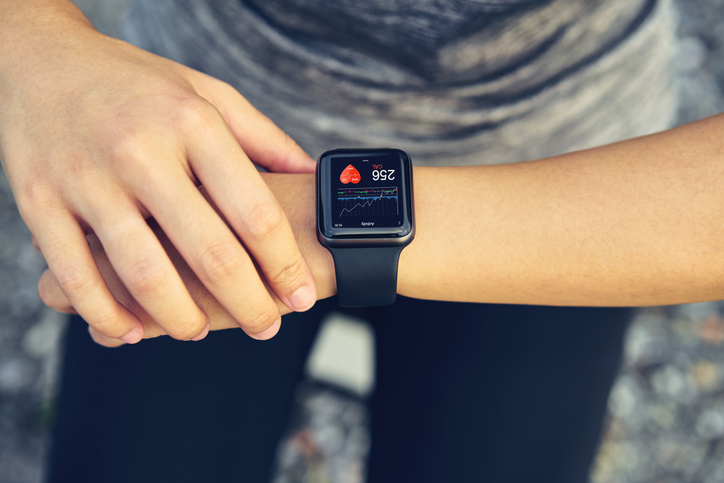
Beyond Adoption: The Habits Shaping Digital Health
The products that succeed over time are usually the ones that make life easier, fit naturally into existing routines and continue delivering value long after the novelty wears off.
The products that succeed over time are usually the ones that make life easier, fit naturally into existing routines and continue delivering value long after the novelty wears off.
The challenge is determining whether wearable data is reliable enough to relieve the review burden, guide care, support reimbursement, or reassure a patient who is worried about their heart rhythm at two o’clock in the morning.


In an interview, Kyan Health Co-Founder and Chief Commercial Officer Konstantin Struck discussed how Kyan gives mid-market and enterprise employers access to premium workforce mental healthcare, at a price point that is affordable.
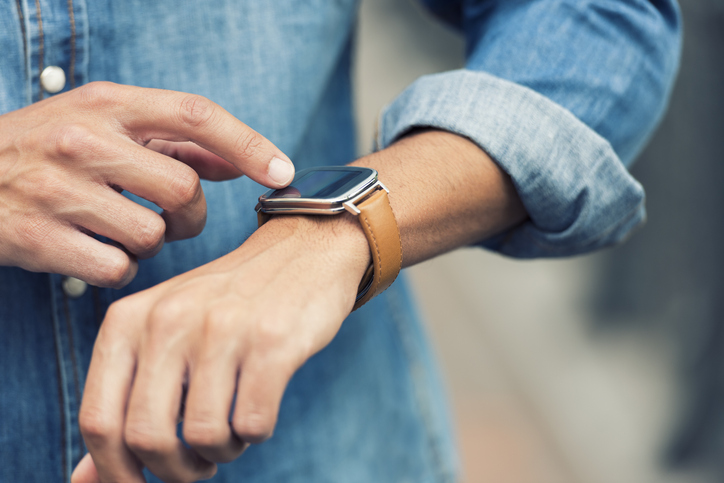
These products have yet to offer treatment solutions designed to get users from their current health state to a desired future health state. This creates a massive, untapped opening for tools that move people from awareness to action in a clinically meaningful way, without the cost and access barriers of engaging the healthcare system or requiring a prescription.
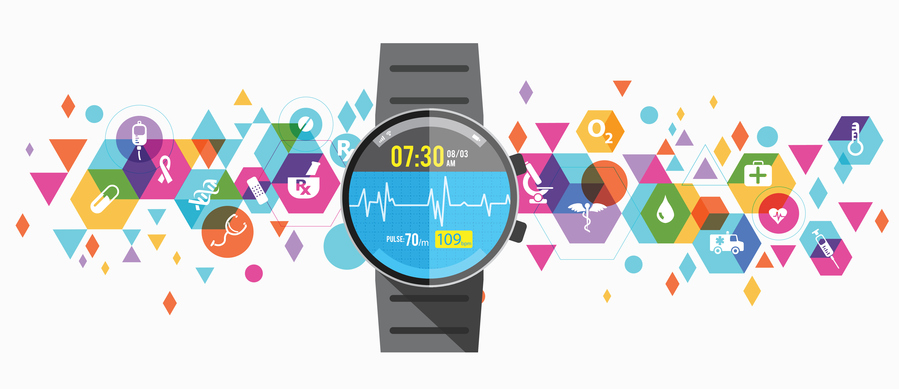
Devices can send information back to a physician, but that data doesn’t explain how the experience felt. Without that context, healthcare teams miss the very details that shape adherence, satisfaction, and long-term outcomes.
This ability to closely monitor patients remotely is redefining the standard of care, especially for those managing complex health conditions. RPM technology provides timely insights that allow healthcare teams to intervene early, improve patient outcomes, and reduce the burden on hospital resources.
With rising challenges facing the medical community in the coming years, and as the U.S. population grows more unhealthy, digital devices will be a critical solution for patient care and remote patient monitoring.

Healthcare decision-makers, especially at pharmaceutical companies, must prioritize patient input. Data collected from social media listening is a significant step in the right direction.